SALT SPRAY ARTICLE
As quality control continues to be our top priority, the need for destructive testing of plated parts has increased. The most common test is called a Salt Spray Test. This test measures the platings corrosion protection potential. This test is known as accelerated corrosion test. The Salt Spray Test uses a 5 % salt solution dissolved in water that is sprayed over the parts in a closed cabinet. The parts are checked daily and visually inspected. The test is to first measure how well the chromate (color) protects the Zinc plating deposit. This is how many hours it takes to wear through the chromate which causes the Zinc or Cadmium to rust and form its characteristic white rust. This is reported as hours to white corrosion products (rust). The next step is to continue the salt spray test until there is red rust noticeable, which means that the plating has given way and allowed the part itself to corrode. Iron corrodes with red corrosion products and is reported as hours to red corrosion products. The better the chromate the longer is takes to see white corrosion. Red corrosion is slowed down by the thickness of the plating deposit.
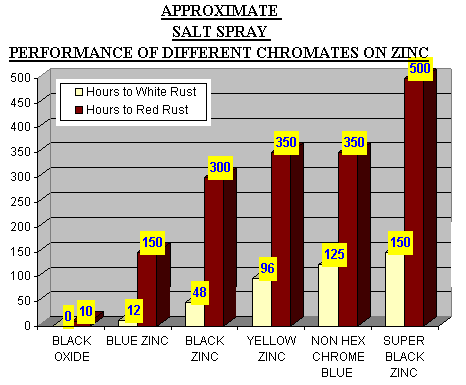
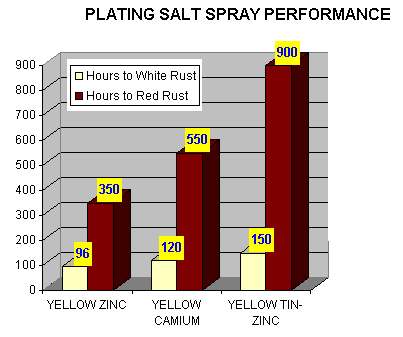
As you can see it can be complicated to determine what type of plating will pass your customers requirements. The best way is to consult with BPS to determine what thickness and chromate type would be best. The only way to know for certain is to test the parts.